
How to Choose the Right Grocery Items for Weight Loss
Losing weight isn’t just about cutting calories—it’s about making smarter food choices that fuel your body while keeping you satisfied. The key to successful weight loss starts with your grocery shopping habits. When you stock your kitchen with nutritious and wholesome foods, you set yourself up for success. In this guide, we’ll walk you through how to choose the right grocery items for weight loss while ensuring you get all the essential nutrients your body needs.
1. Prioritize Whole, Unprocessed Foods
Whole foods are rich in fiber, vitamins, and minerals, making them a cornerstone of a healthy diet. They keep you full longer and prevent unnecessary snacking.
Best Whole Foods for Weight Loss:
- Fresh fruits and vegetables (e.g., leafy greens, berries, citrus fruits)
- Lean proteins (e.g., chicken breast, fish, tofu, eggs)
- Whole grains (e.g., quinoa, brown rice, oats)
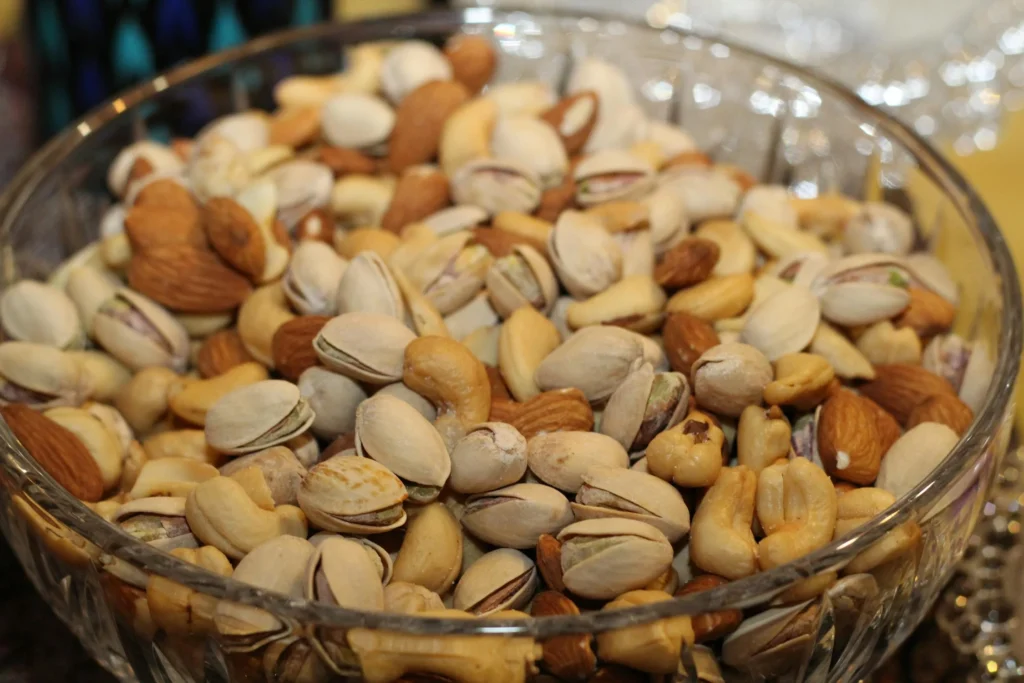
- Healthy fats (e.g., avocados, nuts, seeds, olive oil)
- Legumes (e.g., lentils, chickpeas, black beans)
- Avoid ultra-processed foods like sugary cereals, instant noodles, and packaged snacks, as they are high in refined carbs, unhealthy fats, and artificial additives.
2. Choose High-Protein Foods to Stay Full Longer
Protein helps with muscle maintenance and promotes satiety, preventing overeating. Aim for a balance of animal and plant-based protein sources.
Best Protein Sources for Weight Loss:
- Skinless chicken breast
- Turkey
- Salmon and tuna
- Greek yogurt and cottage cheese
- Eggs
- Lentils and chickpeas
- Tofu and tempeh
When shopping for protein, opt for lean cuts of meat, low-fat dairy, and plant-based options for a balanced diet.
3. Opt for Fiber-Rich Foods to Support Digestion
Fiber is essential for digestive health and weight loss as it slows digestion, helps control blood sugar levels, and keeps you feeling full.
Best Fiber-Rich Foods for Weight Loss:
- Oats
- Chia seeds and flaxseeds
- Apples, pears, and berries
- Broccoli and Brussels sprouts
- Beans and lentils
- Whole grain bread and brown rice
Always check the fiber content on labels when buying packaged foods like cereals or bread. Opt for options with at least 3-5 grams of fiber per serving.
4. Watch Out for Hidden Sugars
Many grocery items contain hidden sugars that can derail your weight loss efforts. Sugar contributes to cravings, weight gain, and energy crashes.
Foods That May Contain Hidden Sugars:
- Flavored yogurt
- Store-bought granola and protein bars
- Breakfast cereals
- Packaged fruit juices and smoothies
- Sauces and salad dressings
Check ingredient labels for added sugars under names like sucrose, fructose, corn syrup, and maltose. Opt for unsweetened versions of yogurt, nut butter, and beverages.
5. Include Healthy Fats for Sustained Energy
Contrary to popular belief, healthy fats are essential for weight loss as they help with hormone production and keep you satisfied.
Best Healthy Fats for Weight Loss:
- Avocados
- Nuts (almonds, walnuts, cashews)
- Seeds (chia, flax, sunflower)
- Extra virgin olive oil
- Fatty fish (salmon, sardines, mackerel)
Choose natural sources of healthy fats and avoid trans fats found in fried foods, margarine, and packaged snacks.
6. Pick Low-Calorie, High-Volume Foods
One of the best strategies for weight loss is to eat foods that have high volume but low calorie density. This allows you to eat satisfying portions without consuming too many calories.
Best Low-Calorie, High-Volume Foods:
- Leafy greens (spinach, kale, romaine)
- Cucumbers and bell peppers
- Berries and watermelon
- Air-popped popcorn (without butter)
- Soups with a broth base
These foods provide essential nutrients while filling up your plate with fewer calories.
7. Buy Healthy Snacks for Smart Eating
Snacking doesn’t have to be unhealthy. Choosing the right snacks can prevent cravings and overeating later in the day.
Best Healthy Snacks for Weight Loss:
- Raw veggies with hummus
- Handful of mixed nuts
- Apple slices with peanut butter
- Greek yogurt with berries
- Hard-boiled eggs
- Dark chocolate (70% cocoa or higher) in moderation
Keep unhealthy snacks like chips, cookies, and candy out of your cart to avoid temptation at home.
8. Choose Beverages Wisely
What you drink is just as important as what you eat when it comes to weight loss. Avoid high-calorie beverages that provide little nutritional value.
Best Beverages for Weight Loss:
- Water (infused with lemon, cucumber, or mint for flavor)
- Herbal teas (green tea, chamomile, peppermint)
- Black coffee (without sugar or cream)
- Sparkling water (instead of soda or sugary drinks)
Avoid sugary sodas, energy drinks, and flavored coffee drinks, which can add hundreds of unnecessary calories to your diet.
9. Plan Your Meals Before You Shop
Meal planning helps prevent impulse purchases and ensures you have all the ingredients needed for healthy meals.
Meal Planning Tips:
- Make a grocery list and stick to it
- Plan meals around whole, nutritious ingredients
- Buy frozen fruits and vegetables to reduce food waste
- Cook in batches and store portions for later
Having a well-thought-out meal plan keeps you on track with your weight loss goals and reduces the temptation to buy unhealthy foods.
10. Read Nutrition Labels Carefully
Many packaged foods appear healthy but contain excessive amounts of sugar, sodium, or unhealthy fats. Understanding food labels helps you make informed choices.
What to Look For on Nutrition Labels:
- Calories per serving – Ensure portion sizes align with your needs
- Protein content – Aim for high-protein options
- Fiber content – Look for at least 3-5 grams per serving
- Added sugars – Choose products with little to no added sugar
- Ingredient list – Opt for foods with minimal, recognizable ingredients
Final Thoughts
Choosing the right grocery items for weight loss doesn’t have to be complicated. By prioritizing whole foods, lean proteins, fiber-rich choices, healthy fats, and low-calorie, high-volume options, you can create a balanced diet that supports your weight loss journey. The key is to shop mindfully, plan your meals, and read nutrition labels carefully.